25 Aralık 1941’de İstanbul’da doğdu. Sesinin güzelliği ve musıkiye duyduğu ilgi daha ilkokul çaglarında dikkati çekti. Annesi Nigar Kale, udî Arsak Efendi’den ud dersleri almış musıkisever bir kadındı. Musıki merakının uyanmasında, annesinin de etkisi olduğu tahmin edilebilir. Genç kızlık soyadıyla …
Orhan Yalçın Gültekin Bugün Özdemir Asaf’ın “Sen Bana Bakma, Ben Senin Baktığın Yönde Olurum” adlı şiir seçkisini aldım. Hem okudum, kendim söyledim hem de şairin kendi sesinden dinledim. Özdemir Asaf’ın “r”leri söyleyemediğini bilir miydiniz? Özdemir Asaf’ın en güzel şiirleri, aforizma …
XVII. Türkiye’de İnternet Konferansı 7-9 Kasım 2012 Anadolu Üniversitesi İletişim Bilimleri Fakültesi Yunus Emre Kampusu, Eskişehir http://inet-tr.org.tr http://openconf.inet-tr.org.tr http://inet-tr.anadolu.edu.tr Türkiye’de Internet ile ilgili grupları biraraya getirerek İnternet’i tüm boyutlarıyla tanıtmak, gelistirmek, tartışmak, İnternet teknolojileri aracılığı ile toplumsal verimliliği …
28 Temmuz 1950 Aziz Türk Halkına; Adnan Menderes Hükümeti, Kore’de harp etsin diye 4500 Türk çocuğunu General Mac Arthur’un emrine veriyor. Adnan Menderes Hükümetinin bu kararı Türk Milletine nasıl gösterilirse gösterilsin Amerikan menfaatleri uğuruna harbe katılmamız demektir. Hükümet bu kararını …
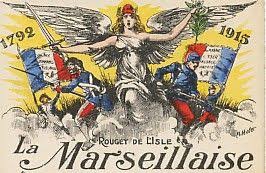
La Marseillaise, the French national anthem, was composed in one night during the French Revolution (April 24, 1792) by Claude-Joseph Rouget de Lisle, a captain of the engineers and amateur musician stationed in Strasbourg in 1792. It was played at a patriotic banquet at Marseilles, and printed copies were given to the revolutionary forces then marching on Paris. They entered Paris singing this song, and to it they marched to the Tuileries on August 10th. Ironically, Rouget de Lisle was himself a royalist and refused to take the oath of allegiance to the new constitution. He was imprisoned and barely escaped the guillotine.. Originally entitled Chant de guerre de l'armeé du Rhin (War Song of the Army of the Rhine), the anthem became called La Marseillaise because of its popularity with volunteer army units from Marseilles. The Convention accepted it as the French national anthem in a decree passed July 14, 1795. La Marseillaise was banned by Napoleon during the Empire, and by Louis XVIII on the Second Restoration (1815), because of its revolutionary associations. Authorized after the July Revolution of 1830, it was again banned by Napoleon III and not reinstated until 1879. La Marseillaise